- +86 15632861133
- sales@joesco.cn
- Monday - Sunday 9.00 - 18.00

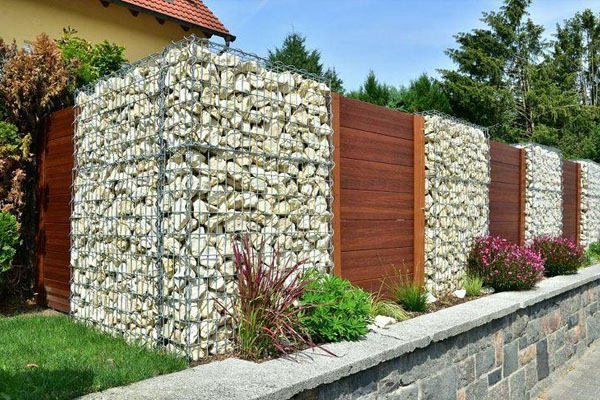
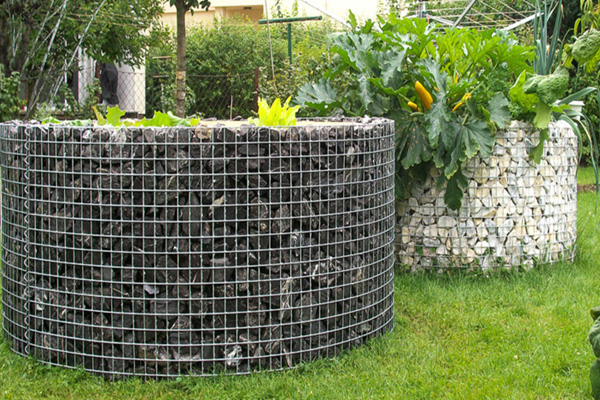
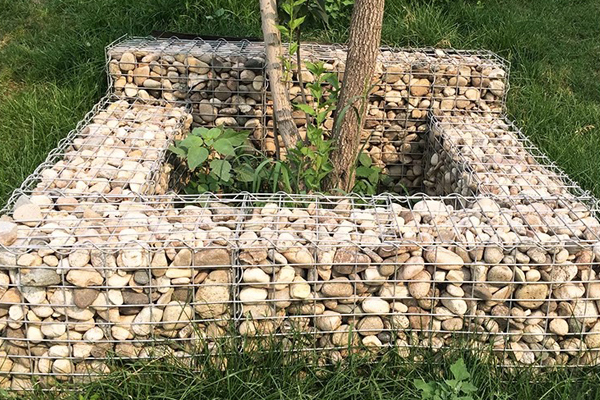
Are traditional retaining walls and landscape barriers failing to meet modern demands? Many construction and landscaping projects face erosion, unstable slopes, and drainage issues. Conventional concrete or stone walls often crack, require frequent maintenance, and lack visual appeal. Welded gabion mesh has emerged as a superior alternative, combining structural strength, flexibility, and modern design aesthetics.
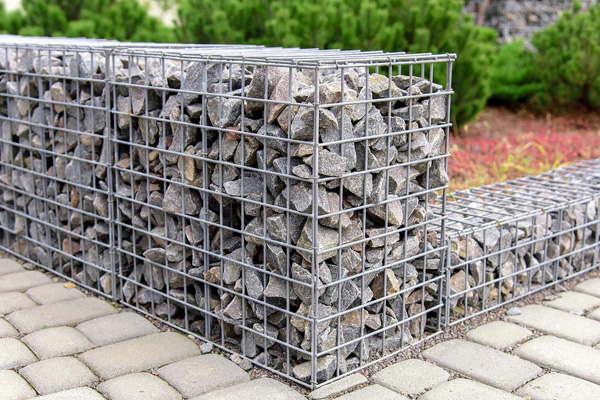
Welded gabion mesh is a system of steel wires joined at every intersection through electric welding, forming a rigid and uniform panel. These panels are assembled into gabion boxes or gabion baskets and filled with stones or other aggregate materials. The result is a stable, permeable structure suitable for civil engineering, flood control, and decorative landscaping.
Unlike traditional twisted wire gabions, welded mesh panels maintain precise shape and alignment, allowing for taller and more complex structures without compromising strength. The open design ensures natural water flow, preventing hydrostatic pressure build-up behind walls.
Used for slope stabilization, riverbank reinforcement, and erosion control, gabion walls provide durable protection against environmental forces. The stone fill absorbs energy from water flow and prevents soil displacement.
Gabion baskets are smaller, flexible units often used for landscaping purposes. They can create garden walls, planters, seating, and other decorative features while providing functional stability.
Gabion boxes are pre-assembled rectangular units designed for large infrastructure or civil projects. They allow easy stacking, uniformity, and high load-bearing capacity, ideal for retaining walls, bridge abutments, and heavy-duty slope protection.
PVC-coated welded gabion mesh offers excellent corrosion resistance, making it suitable for coastal, humid, or chemically exposed environments. It also improves longevity while keeping the structure visually clean.
Galvanized welded mesh provides robust protection against rust, especially in outdoor conditions. This material is commonly used for both industrial and decorative projects, offering a balance of strength and cost-effectiveness.
The strength of welded gabion mesh lies in its combination of rigidity, mass, and permeability. Rigid panels ensure that the gabion wall remains aligned under heavy loads, while stone fill provides gravity-based resistance. Permeable design allows water to pass freely, reducing hydrostatic pressure and enhancing stability.
Flexibility is another advantage. While the panels are rigid, the overall system adapts to minor soil shifts or settlement, preventing cracks and structural failure. This is particularly important in seismic areas or regions with soft soil.
Selecting the correct welded gabion mesh depends on application and environmental conditions. For heavy-duty retaining walls, choose thicker wire gauges and larger gabion boxes. For decorative landscaping, smaller gabion baskets with thinner mesh may suffice.
Consider coating options based on environmental exposure. PVC coatings are ideal for high-humidity or marine areas, while galvanized wire is suitable for urban or temperate regions. Additionally, match mesh size to stone fill to ensure both stability and drainage efficiency.
Fine particles or sediment can clog stone-filled cages, reducing drainage and potentially increasing pressure behind the wall.
Mineral deposits from water can create a thin layer on stone surfaces. While mostly cosmetic, it can indicate prolonged water exposure.
Exposure to UV, moisture, and chemicals can slowly degrade coatings. Routine inspection and maintenance help prevent corrosion or wire weakening.
Inspect the structure periodically for damaged mesh or displaced stones. Ensure drainage pathways remain clear. Reapply protective coatings if necessary and remove vegetation that may affect wall stability. Proper maintenance can extend the service life of welded gabion mesh systems for decades.
Case 1 Urban Park Landscape
Welded gabion baskets were used to construct seating areas, planters, and decorative walls. The structures integrated naturally with plants and pathways while remaining stable under heavy foot traffic.
Case 2 Coastal Erosion Control
A riverbank project utilized large welded gabion boxes filled with granite to prevent soil erosion. The permeable system handled tidal fluctuations and reduced maintenance needs over years.
Case 3 Highway Slope Protection
Along a major highway, welded gabion walls stabilized steep slopes prone to landslides. The panels’ rigidity and stone mass successfully resisted soil movement while allowing water to drain efficiently.
Why choose welded gabion mesh for your projects? It provides a powerful combination of durability, flexibility, and aesthetic appeal. From gabion walls to gabion baskets and gabion boxes, these systems are ideal for both civil engineering and landscaping applications. Their long service life, low maintenance, and natural integration make them a modern solution for erosion control and decorative design.
Access useful technical content and industry-related information here
IntroductionModern constructio
Read More